



World Patient Safety Day is observed every 17 September to raise awareness about preventing avoidable harm in healthcare. In 2026, WHO’s theme is “Safe care for noncommunicable diseases,” with the slogan “Safe care for life!” It highlights safer diagnosis, treatment, medication use and long-term care.
World Patient Safety Day is a global reminder that safe healthcare is a shared responsibility. The 2026 campaign focuses on noncommunicable diseases (NCDs), where people may need ongoing treatment and repeated healthcare interactions. At Menoveda, we believe informed choices and professional guidance matter in women's long-term wellness, much like the conversations encouraged around world suicide prevention day. Here's what the day means and what you can do.
What Is World Patient Safety Day?
World Patient Safety Day is an annual global health observance led by the World Health Organization (WHO). It highlights preventable harm and encourages safer care across prevention, diagnosis, treatment, follow-up and self-care.
The day is observed on 17 September every year. WHO’s 2026 campaign focuses on safer care for people living with noncommunicable diseases.
For patients, the message is practical: understand your care, communicate openly, keep accurate health information and ask questions when something is unclear.
When Is It Celebrated?
It takes place every year on 17 September. Healthcare organizations, governments, professional bodies and communities may mark the occasion with educational campaigns, discussions, training and awareness activities.
What Is the Difference Between World Patient Day and World Patient Safety Day?
“World Patient Day” may appear in online searches, but the official WHO observance is World Patient Safety Day. If you are looking for the international campaign, using the full name will help you find the most relevant information.
What Is the World Patient Safety Day 2026 Theme?
The official 2026 theme is “Safe care for noncommunicable diseases,” with the slogan “Safe care for life!” WHO selected this focus because people living with NCDs often need long-term, coordinated care.
NCDs include conditions such as cardiovascular diseases, diabetes, cancer and chronic respiratory diseases. Their management can involve medicines, investigations, lifestyle changes, follow-up appointments and several healthcare professionals.
Why Does the 2026 Theme Focus on NCDs?
Long-term care is rarely a single event. A patient may move between primary care, specialists, diagnostic services, pharmacies, and home-based care. Every transition makes accurate information and clear communication important.
Safe NCD care can involve:
- Accurate medical records and patient identification
- Reliable diagnosis and test interpretation
- Safe prescribing and medication use
- Clear treatment instructions
- Regular follow-up
- Communication between healthcare professionals
- Patient participation in decisions
- Responsible self-care
Why Is World Patient Safety Day Important?
The value of patient safety awareness is simple: avoidable harm can sometimes be reduced when people, professionals and healthcare systems identify risks and communicate effectively.
Patient safety is not only a hospital issue. An overlooked allergy, incomplete medical history, misunderstanding about a medicine, delayed test follow-up or poor handover can affect care in different settings.
Patients can support safer care by:
- Keeping an updated list of medicines and supplements
- Telling healthcare providers about allergies
- Sharing relevant medical history
- Asking how and why a medicine should be used
- Confirming when test results should be reviewed
- Seeking clarification when instructions are confusing
History of World Patient Safety Day
The World Health Organization established the annual observance as part of the global patient-safety movement. Each year brings attention to a particular safety challenge, helping governments, healthcare organizations and communities focus on practical improvements. WHO campaigns have covered medication safety, patient engagement, diagnostic safety, and the safety of newborns and children.
Major Themes at a Glance
- 2019: Patient safety
- 2020: Safe health workers, safe patients
- 2021: Safe and respectful childbirth
- 2022: Medication safety
- 2023: Engaging patients for patient safety
- 2024: Improving diagnosis for patient safety
- 2025: Safe care for every newborn and every child
- 2026: Safe care for noncommunicable diseases
This progression shows how the global conversation has expanded toward specific risks across different stages of healthcare.
What Are the Main Objectives of World Patient Safety Day 2026?
The 2026 campaign aims to increase awareness of safety risks linked with NCD care and encourage action from healthcare systems, professionals, patients and communities.
Key objectives include:
- Raising awareness about safety risks in NCD care
- Encouraging patients and families to participate
- Supporting safer diagnosis and treatment
- Improving communication and continuity of care
- Promoting safer medication practices
- Helping healthcare systems learn from safety problems
Common Patient Safety Risks in Healthcare
Medication Errors
Medication safety depends on accurate prescribing, dispensing, administration and patient understanding. Confusion about dosage, duplicated medicines or undisclosed allergies can create avoidable risks.
Diagnostic Errors
Diagnosis depends on symptoms, medical history, examination and appropriate testing. Delays, incomplete information and communication problems can affect the process.
Healthcare-Associated Infections
Safe hygiene, appropriate procedures and infection-control practices are important parts of reducing infection-related risks.
Communication Gaps
Patients may receive care from several professionals. Clear handovers and complete records help prevent important information from being lost.
Fragmented Long-Term Care
People managing chronic conditions may see multiple specialists and use several medicines. Keeping records consistent and ensuring each provider knows the full picture can support safer care.
How Can Patients Improve Their Own Safety?
Patients do not need to become medical experts to participate actively in their care. A few practical habits can make a difference.
Keep an Updated Medication List
Include prescription medicines, over-the-counter products, vitamins and supplements. Update the list whenever something changes.
Ask Questions Before Starting Treatment
Useful questions include:
- Why do I need this treatment?
- How should I use it?
- What should I do if I miss a dose?
- Are there precautions or interactions I should know about?
- When should I follow up?
Share Your Complete Health History
Tell your doctor about allergies, previous procedures, existing conditions and all products you use. Do not assume a supplement is irrelevant simply because it is plant-based.
Follow Up on Test Results
Know when results are expected and whom to contact if you do not receive them.
Do Not Self-Diagnose Serious Symptoms
Online information can help you prepare questions, but it cannot replace an appropriate medical assessment. Sudden, severe or persistent symptoms deserve professional attention.
Patient Safety Beyond the Hospital
Patient safety extends into home care, self-management and everyday wellness. This matters particularly for women managing changing health needs through perimenopause, menopause and later life.
A woman may use prescription medicines, supplements, dietary changes and lifestyle practices at the same time. Her healthcare provider should know about the full routine so that care can be better coordinated.
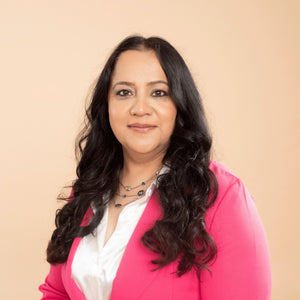
Tamanna Singh has built the brand around helping women approach midlife health with greater awareness and confidence, much like the awareness encouraged around world alzheimer day.
Patient Safety and Women’s Long-Term Health
Women's health decisions deserve the same attention to safety as any other area of healthcare. That means checking ingredients, following directions and discussing supplements with a healthcare professional when appropriate, similar to the informed-choice approach discussed in our article on world contraception day.
Menoveda focuses on Ayurveda-inspired wellness for women's midlife and menopause. Products such as Akira, Amaya and Asaya are designed around different areas of menopause wellness, alongside our range of supplements to balance hormones. They should be viewed as part of a broader wellness routine not replacements for diagnosis, prescribed treatment or medical care.
If you take medicines for a chronic condition, tell your doctor about any supplement you plan to add, including options such as our ayurvedic medicine for pcos range. This simple step can help avoid confusion and support coordinated care.
How to Choose Safer Health Supplements
Treat supplements as part of your complete health picture, and our guide on the best multivitamin for women can help you know what to look for. Before choosing one, look for:
- A clearly stated ingredient list
- Transparent dosage directions
- A reputable manufacturer
- Appropriate quality and safety information
- No unrealistic “instant cure” promises
- Clear guidance about when professional advice is needed
Menoveda describes its formulations as Ayurvedic and highlights clinically tested ingredients and expert consultation, including our multivitamin tablets for women range. Individual suitability still matters, so professional advice is appropriate when you have a health condition or take medicines.
World Patient Safety Day Activities and Ways to Participate
You do not need to organize a large event to support the campaign. Simple actions can spread awareness:
- Learn about the annual theme.
- Keep your medical information organized.
- Ask questions during healthcare appointments.
- Share reliable information from recognized health organizations.
- Join local awareness or educational activities.
- Help older family members maintain an updated medicine list.
- Discuss supplement use with a healthcare professional.
World Patient Safety Day vs Patient Safety Week
“Patient Safety Week” can describe awareness activities organized by hospitals, healthcare organizations or professional bodies over several days.
The WHO-led observance, however, takes place on 17 September. Therefore, people searching specifically for the official international campaign should use the more precise term.
What Does International Patient Safety Mean?
International patient safety refers to the global effort to reduce avoidable harm and improve healthcare quality across countries and health systems.
It includes:
- Safer clinical practices
- Better healthcare-worker training
- Stronger communication
- Patient engagement
- Safer medicines
- Reliable diagnosis
- Learning from errors and near misses
- Continuous quality improvement
WHO provides a global framework while countries and organizations adapt safety initiatives to their own healthcare settings.
Final Thoughts: Safe Care Starts With Informed Patients
World Patient Safety Day is ultimately about making healthcare safer for everyone. The 2026 theme gives particular attention to people living with noncommunicable diseases, whose care may continue for years rather than days.
For individuals, safety begins with small habits: communicate honestly, keep health information organized, understand your treatment and ask questions. At Menoveda, we believe women deserve the same clarity and confidence when navigating midlife wellness.
If you are exploring supportive wellness options during menopause, discover Menoveda’s range, including Akira, Amaya and Asaya, and use the brand’s expert consultation to understand what may be appropriate for your needs. Choose informed guidance over guesswork, and make your everyday wellness part of a safer, more thoughtful healthcare journey.
Disclaimer: Menoveda products are dietary wellness supplements and are not a substitute for diagnosis or prescribed medical treatment. Consult your doctor or a qualified healthcare professional before using any product, especially if you take prescription medicines or have an existing health condition.
Frequently Asked Questions
Q1. How can patients participate in World Patient Safety Day?
Patients can learn about the annual theme, keep health information updated, ask questions during medical visits and participate in local awareness activities.
Q2. Can World Patient Safety Day improve healthcare?
Yes. Awareness can encourage safer practices, better communication and greater patient involvement, although lasting improvement also requires action from healthcare systems and professionals.
Q3. Is World Patient Safety Day the same as World Patient Day?
No. “World Patient Day” is sometimes used in searches, but the official WHO observance is World Patient Safety Day.
Q4. Will World Patient Safety Day 2026 focus on chronic diseases?
Yes. Its official focus is safe care for noncommunicable diseases, including safety challenges associated with long-term care.
Q5. What are the main patient safety risks?
Common risks include medication errors, diagnostic problems, healthcare-associated infections, communication gaps and fragmented care.
Q6. Why is patient safety important for NCD care?
People with NCDs often need ongoing treatment and repeated healthcare interactions. Better coordination, communication and medication safety can help reduce avoidable risks.
Q7. What should I ask my doctor about supplements?
Ask whether a supplement is appropriate for you, whether it could interact with your medicines, how it should be used and whether monitoring is needed.
Q8. How does Menoveda approach women’s wellness?
Menoveda combines Ayurveda-inspired formulations with modern research and expert guidance, focusing on women’s midlife and menopause wellness. Its founder, Tamanna Singh, is a certified menopause coach and co-founder of the brand.


