




Hot flashes during perimenopause can feel sudden, intense, and exhausting. One moment you feel normal, and the next, your face feels hot, your heart races, and sweat starts pouring. For many women, these episodes affect sleep, mood, work, and confidence. Along with lifestyle changes, many women today also explore Ayurvedic wellness support such as Menoveda Akira, an herbal formulation designed for emotional wellbeing during menopause and perimenopause. It is commonly used as part of a holistic routine for symptoms like stress, mood swings, night sweats, and hot flashes.
Perimenopause is the phase before menopause when hormone levels begin changing. This stage can last for several years and often starts in the 40s, though some women experience symptoms earlier. One of the most common and troubling symptoms during this time is hot flashes perimenopause women frequently report.
What Are Hot Flashes During Perimenopause?
Hot flashes are sudden feelings of heat that spread through the upper body, especially the face, neck, and chest. They may last for a few seconds or several minutes. Some women also experience:
- Heavy sweating
- Red or flushed skin
- Fast heartbeat
- Chills after sweating
- Anxiety or discomfort
- Night sweats during sleep
Hot flashes happen because changing estrogen levels affects the body’s temperature control system. During perimenopause, hormones fluctuate unpredictably, making the body react strongly to even small temperature changes.
For some women, hot flashes are mild. For others, they become severe enough to disturb sleep, concentration, and emotional health.
Why Do Hot Flashes Happen During Perimenopause?
The main reason is hormonal imbalance. As estrogen levels rise and fall irregularly, the brain becomes more sensitive to temperature changes.
The hypothalamus, which controls body temperature, may mistakenly think the body is overheating. This triggers sweating and blood vessel expansion to cool the body down, even when there is no real heat problem.
Certain triggers can make hot flashes worse, including:
- Stress and anxiety medicine
- Spicy foods
- Caffeine
- Alcohol
- Smoking
- Hot weather
- Poor sleep
- Tight clothing
Women with severe stress or emotional symptoms often notice stronger hot flashes perimenopause episodes because the nervous system becomes more reactive.

When Should You Worry About Hot Flashes?
Mild hot flashes are common during perimenopause. However, some symptoms should not be ignored.
You should speak with a doctor if:
- Hot flashes become very frequent or severe
- You experience chest pain
- You faint or feel dizzy often
- Your heartbeat feels irregular
- You lose weight suddenly
- Your sleep is constantly disturbed
- Symptoms begin before age 40
- You experience heavy bleeding along with hot flashes
Sometimes symptoms similar to hot flashes may be linked to thyroid disorders, anxiety disorders, infections, or other medical conditions.
If hot flashes affect your daily life, work, relationships, or mental health, it is important to seek support early.
How Hot Flashes Affect Daily Life
Many women underestimate the emotional and physical effects of hot flashes.
Frequent hot flashes can lead to:
Sleep Problems
Night sweats may wake you up several times during the night, leading to fatigue and low energy during the day.
- Mood Swings: Poor sleep and hormonal changes together can increase irritability, anxiety, and emotional sensitivity.
- Brain Fog: Women often report difficulty concentrating or remembering things during severe perimenopause symptoms.
- Social Discomfort: Sudden sweating or facial redness during meetings or social situations may affect confidence.
- Increased Stress: Constant discomfort can make women feel overwhelmed and emotionally drained.
This is why managing hot flashes perimenopause symptoms early is important for overall wellbeing.
What To Do for Hot Flashes During Perimenopause
The good news is that several natural and medical approaches can help reduce the intensity and frequency of hot flashes.
1. Improve Your Sleep Routine
Good sleep supports hormone balance and reduces stress on the nervous system.
Try these habits:
- Sleep at the same time daily
- Keep your bedroom cool
- Avoid screens before bed
- Wear light cotton clothes
- Reduce caffeine in the evening
Women who improve sleep quality often notice fewer night sweats and better emotional balance.
2. Manage Stress Naturally
Stress is one of the biggest triggers for hot flashes.
Helpful activities include:
- Deep breathing
- Yoga
- Meditation
- Walking
- Gentle exercise
- Spending time outdoors
Ayurveda also focuses strongly on calming the nervous system during menopause transitions.
3. Eat Cooling and Balanced Foods
Certain foods may help support the body during hormonal changes.
Include:
- Fresh fruits
- Leafy vegetables
- Flaxseeds
- Whole grains
- Plenty of water
Reduce:
- Excess sugar
- Fried foods
- Alcohol
- Spicy meals
- Processed foods
Hydration is especially important because sweating can increase dehydration.
4. Maintain a Healthy Weight
Studies show women with higher body fat may experience stronger hot flashes because fat tissue affects hormone activity and heat regulation.
Even light daily movement can help improve circulation and mood.
5. Explore Ayurvedic Wellness Support
Many women now prefer holistic wellness approaches during menopause.
According to Ayurveda, menopause symptoms may worsen when the body experiences imbalance in stress response, sleep cycles, and emotional wellbeing.
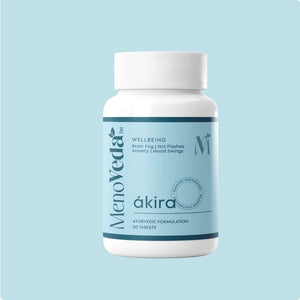
Menoveda offers Ayurvedic menopause wellness support and perimenopause supplement designed specifically for women going through perimenopause and menopause transitions.
Its formulation, Akira, contains Ayurvedic herbs traditionally used for emotional balance, stress relief management, calmness, sleep support, and mental wellbeing. Ingredients associated with the product include Ashwagandha, Shatavari, Brahmi, Jatamansi, Guduchi, and other herbs commonly used in Ayurveda for women’s wellness.
The product is often included in menopause supplement wellness routines by women dealing with symptoms such as:
- Hot flashes
- Mood swings supplement
- Anxiety
- Night sweats
- Stress
- Irritability
- Fatigue
- Sleep disturbances
Can Severe Hot Flashes Affect Mental Health?
Yes. Severe and repeated hot flashes can significantly affect emotional wellbeing.
Women experiencing constant sleep disruption often report:
- Anxiety
- Low mood
- Irritability
- Emotional burnout
- Reduced focus
- Social withdrawal
Hormonal fluctuations already place stress on the nervous system. Poor sleep and discomfort can increase emotional strain even more.
This is why holistic support during perimenopause should focus not only on physical symptoms but also emotional health.
How Long Do Hot Flashes Last?
There is no fixed timeline.
For some women, hot flashes last a few months. Others may experience them for several years.
Hot flashes perimenopause symptoms are usually strongest during the years leading up to menopause, but some women continue experiencing them after menopause as well.
Consistency with healthy habits, stress reduction, and supportive wellness routines may help improve symptom management over time.
Final Thoughts
Hot flashes during perimenopause are more than just feeling warm. They can affect sleep, emotional wellbeing, confidence, relationships, and daily comfort. Ignoring severe symptoms may make the experience even harder.
Supporting your body with healthy habits, stress management, emotional care, and holistic wellness solutions can make a meaningful difference during this transition.
If you are looking for Ayurvedic menopause wellness support, Menoveda Akira is designed to support women dealing with emotional and physical discomfort during perimenopause and menopause. With Ayurvedic herbs traditionally used for calmness, sleep, mood balance, and overall wellbeing, it can become part of a supportive daily wellness routine for managing hot flashes perimenopause symptoms naturally.
Frequently Asked Questions
Q1. How can I reduce hot flashes naturally during perimenopause?
You can reduce hot flashes naturally by managing stress, improving sleep, avoiding spicy foods and caffeine, staying hydrated, exercising regularly, and following a balanced diet.
Q2. How long do hot flashes last in perimenopause?
Hot flashes may last from a few months to several years, depending on hormone changes, lifestyle, stress levels, and overall health.
Q3. Can stress make hot flashes worse?
Yes. Stress activates the nervous system and can trigger stronger and more frequent hot flashes during perimenopause.
Q4. Can Ayurveda help with hot flashes and perimenopause symptoms?
Many women explore Ayurvedic wellness support for symptoms like stress, mood swings, sleep issues, and hot flashes as part of a holistic menopause routine.
Q5. Is it normal to have hot flashes every day during perimenopause?
Frequent hot flashes can be common during perimenopause due to fluctuating hormone levels. However, very severe symptoms should be discussed with a healthcare professional.
Q6. Will hot flashes stop after menopause?
For many women, hot flashes reduce after menopause, but some may continue experiencing them for several years.
Q7. What triggers hot flashes during perimenopause?
Common triggers include stress, alcohol, caffeine, spicy food, smoking, poor sleep, warm temperatures, and hormonal fluctuations.
Q8. Why do hot flashes happen more at night?
Hormonal changes combined with natural body temperature shifts during sleep can increase night sweats and nighttime hot flashes.


